SEO for iGaming affiliates is not general SEO with casino keywords. It is general SEO plus two Google spam policies that name this vertical directly, plus a YMYL classification that changes how quality is assessed, plus a link market that is more likely to hurt you than help you. This guide covers the parts that are specific to gambling, and updates the Rank and Bank model for what actually applies in 2026.
The mechanics of keyword research and on-page work are the same everywhere and you can read them anywhere. What follows concentrates on what is different here. If you are still deciding whether organic is the right channel at all, compare it against the alternatives in our review of the traffic sources that convert to FTDs.
YMYL and E-E-A-T, and what they are not
Gambling content falls under Your Money or Your Life, the category Google’s raters apply to topics that can affect a person’s finances, safety or wellbeing. Sites in that category are assessed through E-E-A-T: Experience, Expertise, Authoritativeness and Trustworthiness.
Here is the part most SEO advice gets wrong, and it matters because it changes what you should do. YMYL is not a ranking factor and E-E-A-T is not a score. Google’s own rater guidelines are explicit that rater judgments do not work that way, stating that no single rating directly affects how a page, site or result appears in Search. Raters apply the label to evaluate the search results, not to grade your site.
The practical consequence: you cannot raise an E-E-A-T number, because there is no number. What you can do is make the signals raters and systems look for actually present. Named authors with verifiable expertise, clear ownership and contact details, licensing and responsible gambling information, sourced claims, and content that reads as though a person who has used these products wrote it. Those are worth doing on their own merits.
Google refreshed the rater guidelines in September 2025 with adjusted YMYL definitions and added examples covering AI Overviews, so this framework is actively maintained rather than legacy documentation.
The two spam policies that catch gambling affiliates
Expired domain abuse
Buying an aged domain for its backlinks and repurposing it is a well known tactic in this vertical. It is also named in Google’s spam policies, and the example the documentation uses is not a coincidence: casino related content on a former elementary school site. When a policy document reaches for your exact use case as the illustration, treat it as a statement of intent rather than an edge case.
The distinction Google draws is purpose. Buying a domain and continuing something recognisably related to what it was is different from buying it purely to inherit ranking signals for an unrelated commercial purpose.
Site reputation abuse
Better known as parasite SEO: placing your content on an established third party domain to borrow its authority. Casino sections appearing on news and sports publisher sites are the textbook case.
The nuance worth knowing, because it is frequently misreported: according to Google’s own FAQ communications, affiliate content does not violate this policy per se. What matters is whether the third party content exists primarily to exploit the ranking signals of the host domain. A genuine partnership with editorial oversight sits differently from a rented subfolder.
What changed in the EEA in 2026
In August 2026 Google rewrote how the site reputation abuse policy operates for search users in the European Economic Area, following an EU antitrust inquiry opened after news publishers argued the previous rule was costing them traffic and advertising revenue. Manual actions for site reputation abuse are being phased out in the EEA and replaced with a different system.
If your traffic is European, this is a live change rather than background. It does not make parasite arrangements safe, it changes the enforcement mechanism, and mechanisms that are being rebuilt are exactly the ones worth not testing.
Rank and Bank, updated
Keyword research
The traditional advice is to target commercial terms like best online casinos or no deposit bonus. Those terms are contested by operators with budgets you cannot match and by affiliate sites with a decade of links. On a young domain they are a way to spend a year producing nothing.
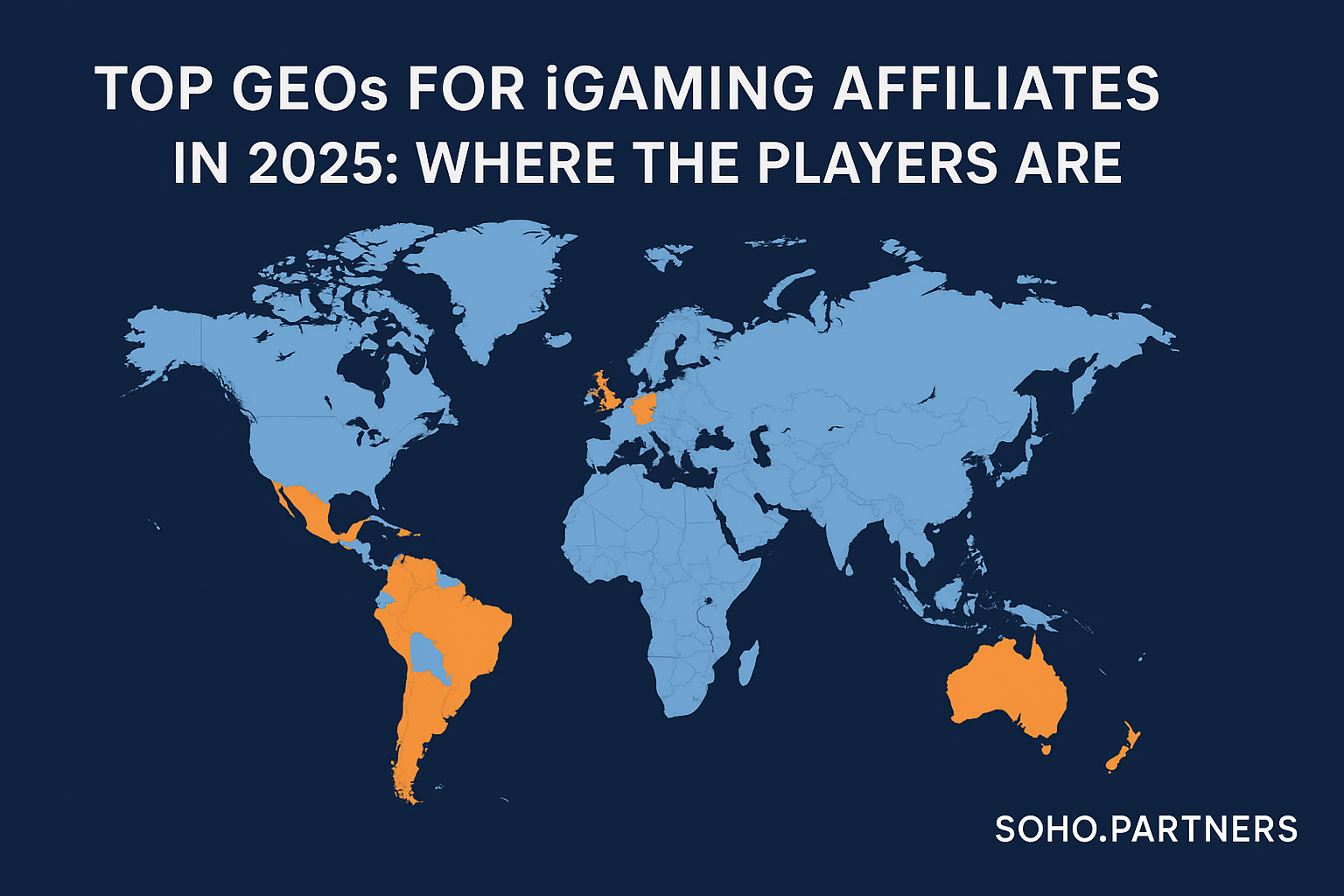
Two adjustments make more sense. First, go geo specific early, because a query in a smaller market has a fraction of the competition at a similar per player value. Which markets pay what is covered in our breakdown of geo selection and what each market allows. Second, target the questions that surround the transaction rather than the transaction itself. Payment method guides, withdrawal time comparisons and licensing explainers attract the same audience with far less competition.
Content
Reviews, bonus guides and comparison pages remain the backbone, and how you structure them is covered separately in our guide to building an affiliate site that ranks and converts. What separates the ones that rank is verifiable specifics: actual withdrawal times, actual wagering requirements, actual licence numbers, and dates showing when you checked. Generic praise is indistinguishable from every other affiliate page and gives a rater nothing to assess.
On-page
Standard work applies: titles and meta descriptions that answer rather than restate the query, clean heading structure, internal linking, and schema markup. One vertical specific note: in regulated markets, mandatory responsible gambling messaging and licence disclosure are not a tax on your layout. They are trust signals in a category where trust is precisely what is being assessed.
Link building, the part where this niche differs most
Gambling is a toxic link neighbourhood. The market is full of paid placements on sites that exist only to sell links, and buying into it is the fastest way to acquire a footprint that is easy to detect and hard to unwind.
What works is slower and duller. Genuinely useful tools that people cite, original data from your own traffic that industry media will quote, expert commentary in trade publications, and presence in the industry’s own ecosystem of forums and conferences. A link from a small live industry blog with real readers is worth more than a high authority domain with no traffic.
Conversion and monetisation
Clear calls to action, mobile first layout, visible licensing, and localised payment information. Which commission structure suits organic traffic is a separate question, and organic generally favours revenue share because the players tend to retain: see our comparison of CPA, RevShare and hybrid deals.
Mistakes that are specific to this vertical
- Chasing head terms on a young domain. Ranking for casino is not a goal, it is a way to measure how long you can work without results.
- Buying links because everyone in the niche does. Everyone in the niche also gets caught.
- Treating E-E-A-T as a checklist to game. There is no score to raise. There are signals to genuinely have.
- Letting bonus and promotion content go stale. In this vertical, out of date offers are a trust failure, not just a freshness issue.
- Ignoring compliance because you are not the licensee. Operator obligations reach you contractually, and non compliant pages get pulled regardless of how they rank.
Working with Soho Partners
We work with organic affiliates on geo specific offers and commission structures suited to traffic that retains rather than converts once. If you are building for search, tell us your target markets and we will quote against them.
Sources
- Google Search Central, Spam Policies for Google Web Search (expired domain abuse, site reputation abuse)
- Search Engine Journal, Google updates site reputation abuse policy and removes penalties in the EEA
- Brussels Signal, Google eases EU spam rules on publisher sites after Brussels probe, August 2026
- Google Search Quality Rater Guidelines, September 2025 revision (YMYL definitions, AI Overview examples)
- Search Engine Land, coverage of the rater guidelines update